 16 Sep-2023
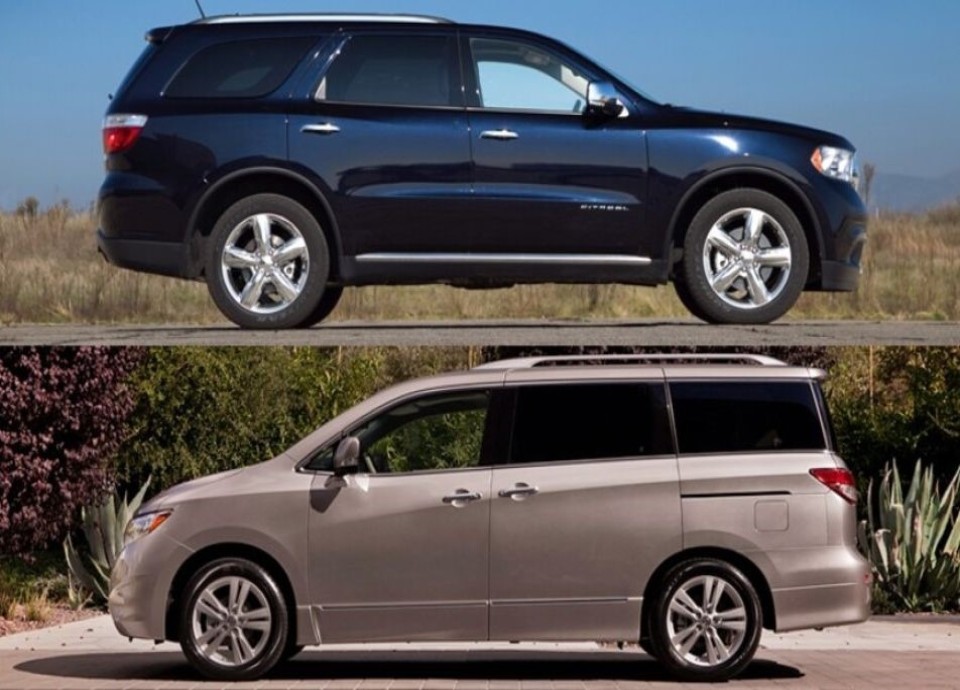
Planning a group trip and weighing a 10-passenger van against a couple of SUVs? Both can move a crowd, but they lead to very different trips. Here’s how they stack up — and why, for most groups, a single van wins.
Everyone in one vehicle
The biggest difference is togetherness. A 10-passenger van keeps your whole group in one place — no splitting into two or three SUVs, no caravanning, no one getting separated at a turn. You travel as a unit and arrive together.
More room, less juggling
A van offers more usable passenger and cargo space than an SUV, so luggage, gear, and everyone’s legs actually fit. Two SUVs might match the seat count, but you’re now paying for, fueling, and driving two vehicles instead of one.
Lower cost overall
One van is almost always cheaper to rent and fuel than multiple SUVs, and the cost splits neatly across your group. For a family, team, or corporate outing, that’s real money saved.
Easy to drive
A passenger van drives much like a large car, and no special license is needed in the U.S. for personal use. With up to three additional drivers free on every rental, you can share the wheel on longer trips.
When an SUV still makes sense
If your group is truly small (four or five people) or you need serious off-road capability, an SUV has its place. For everyone else — groups of six and up — the van is the more comfortable, more affordable choice.
Which van should you pick?
For a premium 10-passenger ride, the Mercedes-Benz Road Cruiser is our VIP option; step up to a 12-passenger Golden Chariot for a little more room. Want the budget pick? The 12-passenger Ford Transit keeps costs low. See the full fleet.
- 2026 Feb 14
Driving from Chicago to Atlanta: Best Routes, Travel Time, Stops, and What to Expect
- 2023 Nov 18
Cargo Van vs Sprinter Van: The Battle of Utility and Efficiency
- 2023 Nov 20
Cross-Country Road Trips: Renting a Van to Travel the USA and Canada
- 2026 Jul 18
Ford Transit vs Mercedes-Benz Sprinter: 15-Passenger Van Comparison
- 2026 May 28
Pros and Cons of Renting a Passenger Van for Travel
